
유럽굴이 귀해진 건 "너무 먹어서"임
굴 이야기에 유럽도 환경오염으로 굴이 귀해졌다고 하는데
그 탓이 아예 없다고는 못하겠지만, 남획이 가장 큰 이유임.
예전에 다른 굴 이야기에서 굴은 <양식가능+번식잘함>이라
산업혁명기에는 노동계층도 널리 먹었다고 했음.
여기서 문제는 굴이 재생산을 제대로 하지도 못할 정도로
남획해서 다 먹어치웠다는 점임.
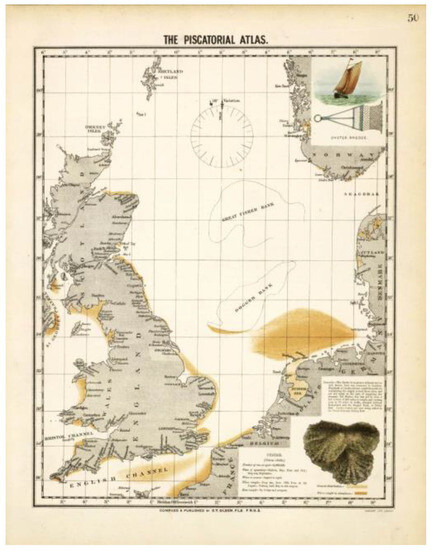
북해에서 유럽 굴의 분포도임. 1883년. 유럽에 굴이 왕창
나왔다는 걸 보여주는 짤.
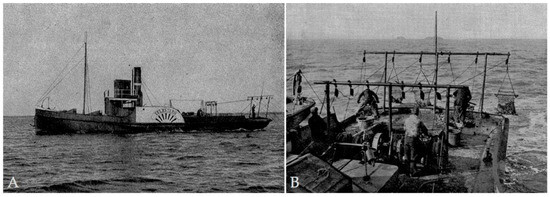
산업화 이후 굴 캐러 증기선을 보내서 죄다 긁어올 수 있게
되었음. 짤은 굴 캐는 어선.
수세기에 걸쳐서 어른 굴을 잡아다 먹어치운 덕분에 재생산
프로세스가 망가졌고(1방), 채취기술의 발달로 더 망가졌고
(2방), 자연상태 그대로였으면 저절로 환원되었을 굴 껍질
(굴들의 거주에 필요한)이 죄다 육지로 올라간 덕분에 해양
생태계가 황폐화 되기에 이르렀음(3방)
산업화 덕에 철도가 깔리고, 채취한 굴을 기차로 거대도시의
노동자들에게 공급하면서 굴의 수요는 폭발하게 됨. 1864
년도 런던(영국이 아니라 런던만)에서 굴 소비량은 7억을
돌파했음.
영국만 이런 게 아님, 독일 벨기에 네덜란드 등등 유럽 국가
라면 죄다 이랬음. 그래서 유럽 굴 기준으로 개체가 95%가
줄고, 전세계 기준으로 굴이 85%가 줄어들기에 이름.
유럽권에서 굴이 멸종위기에 놓이게 된 것은 여러 이유가
있고, 공해나 전염병, 경쟁동물 같은 것도 거기 들어가긴 함.
하지만 가장 큰 이유는 남획이라는 데에 학계에선 다들
동의하고 있는 걸로 보임.
저만큼 먹어치우는데 유럽굴이 남아나면 그게 더 용함.
The oyster fisheries’ continuous removal of adult oysters greatly weakened natural reproduction success of the species. In addition, ever more efficient harvesting techniques allowed the catches to increase and resulting shell removal in such high quantities led to the destruction of ecologically highly valuable biogenic structures (Möbius 1877; Yonge 1960).
During industrialization, steam trawlers fished maximum yields as demand for oysters as a cheap food source was high. The development of railway infrastructure allowed the transportation of massive amounts of oysters to the big cities. During the 19th century, newly discovered reefs in the English Channel provided oysters that were a food of the poor (Neild 1995). In London alone, over 700 million oysters were consumed in 1864.
The main reason for the loss of formerly widespread oyster populations was overharvesting for centuries. Drastic declines can be connected to industrialisation: the consequent development of efficient harvesting techniques and the beginning of the railway transport era. In general, stocks have been exploited until a fishery was no longer economically viable. With the consequential loss of reef structures, intensified effects of other stressors, such as sedimentation, pollution (TBT, copper), diseases, and invasive species could be observed . (Gercken and Schmidt 2014)